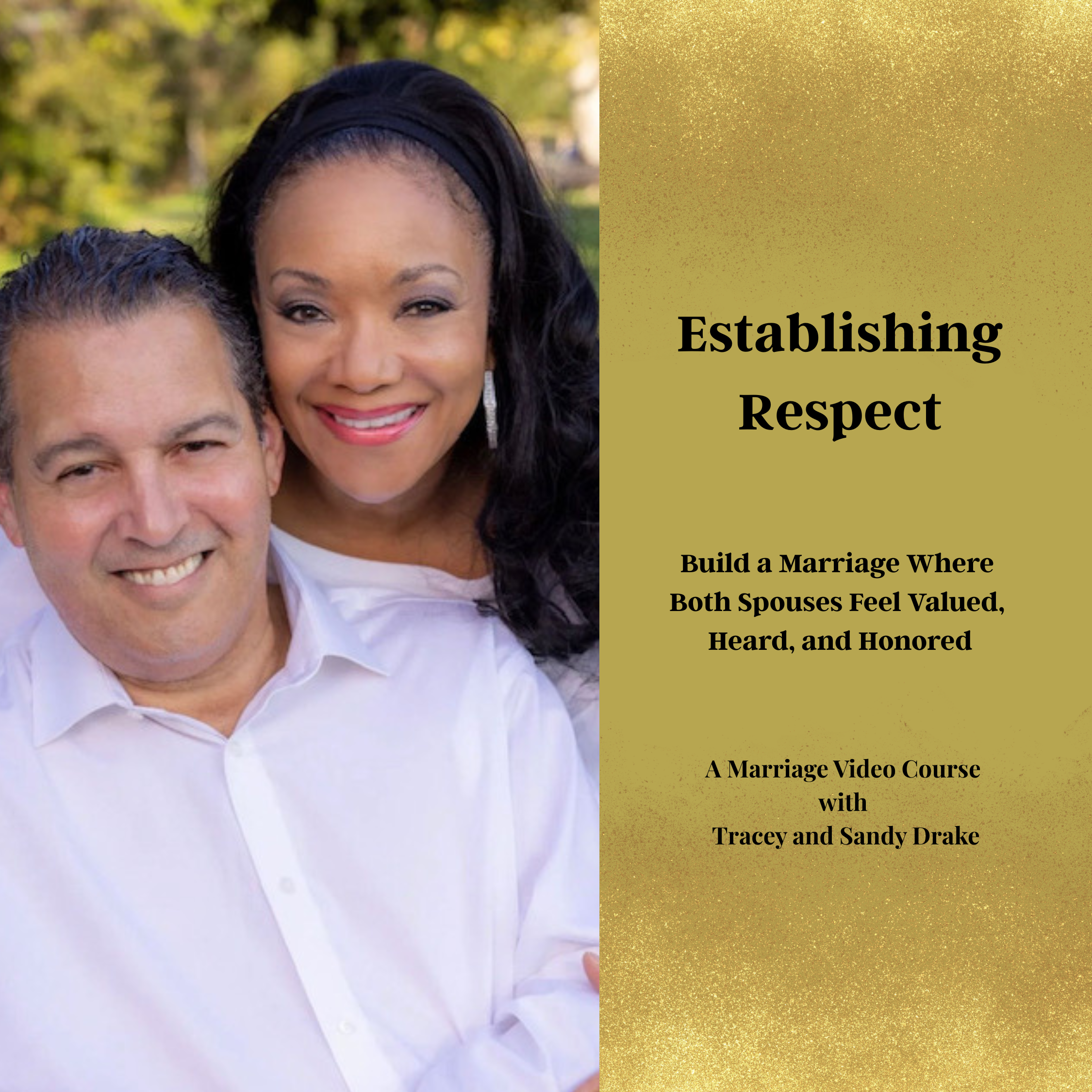
Establishing Respect, Downloadable Video Course
Build a Marriage Where Both Spouses Feel Valued, Heard, and Honored
Love may bring two people together, but respect helps keep a marriage safe, strong, and emotionally connected over time.
Respect is more than saying the right words. It is communicated through the way you listen, respond, make decisions, handle differences, and care for your spouse’s heart.
In this video, you will learn why respect is one of the foundational pillars of a healthy and fulfilling marriage—and how the absence of respect can slowly damage communication, trust, emotional safety, and intimacy.
Through practical strategies and faith-centered principles, you will discover how to establish greater respect through healthy communication, active listening, emotional support, appreciation, patience, and a better understanding of each other’s differences.
You will also examine how small, daily actions, words, attitudes, and responses can either build your spouse up or gradually tear them down. Respect is not demonstrated only during major decisions or difficult conversations. It is revealed in the everyday moments that shape how valued, heard, and honored your spouse feels.
Whether you are newly married, have shared many years together, or are working through challenges in your relationship, this video will help you strengthen your emotional connection and develop a marriage rooted in honor, value, and mutual care.
This Course Is for You If…
You love your spouse but recognize that your words, tone, choices, or conflict patterns do not always communicate respect.
This course is for you if:
Criticism, sarcasm, interruptions, eye-rolling, or dismissive comments have become common.
One or both spouses frequently feel ignored, belittled, controlled, or unappreciated.
Disagreements quickly become personal attacks instead of discussions about the actual issue.
One spouse makes important decisions without considering or consulting the other.
Feelings and concerns are minimized, mocked, or treated as unimportant.
One spouse corrects, embarrasses, or criticizes the other in front of family, friends, or children.
Past mistakes are repeatedly used to shame, punish, or discredit each other.
Appreciation has been replaced by complaints, fault-finding, or taking one another for granted.
One spouse expects respect because of a role or position but does not demonstrate respect in return.
Apologies are rare, incomplete, or followed by the same hurtful behavior.
You struggle to express disagreement without becoming defensive, harsh, or withdrawn.
Your marriage is healthy, but you want to protect the culture of honor you have established.
A lack of respect does not always begin with obvious insults. It can develop gradually through repeated dismissals, careless words, broken agreements, and everyday behaviors that communicate, “What matters to you does not matter to me.”
What Will Be Different?
When you apply what you learn in the Establishing Respect course, you will be better equipped to:
Recognize the words, attitudes, and behaviors that communicate disrespect.
Understand what helps each spouse feel valued, considered, and honored.
Express disagreement without attacking your spouse’s character, intelligence, or intentions.
Address concerns directly without using sarcasm, humiliation, contempt, or manipulation.
Listen to your spouse’s perspective even when you do not agree.
Make decisions with greater consideration, transparency, and partnership.
Replace public criticism with private, respectful conversations.
Establish healthy boundaries around language, tone, and behavior.
Take responsibility for hurtful actions without shifting blame.
Offer sincere apologies followed by meaningful changes in behavior.
Express appreciation for your spouse’s character, efforts, sacrifices, and contributions.
Handle differences without attempting to silence, dominate, or diminish one another.
Model mutual honor and healthy conflict resolution for your children.
Create daily habits that strengthen trust, emotional safety, and connection.
The goal of respect is not to eliminate differences or require one spouse to remain silent. The goal is to ensure that disagreement never becomes permission to devalue the person you promised to love.
When mutual respect becomes part of the culture of a marriage, both spouses gain greater freedom to be honest, vulnerable, accountable, and fully present in the relationship.
Important Purchase Information
This is a digital product. All digital sales are final and nonrefundable. By purchasing and downloading this product, you agree to the Terms and Conditions and Privacy Policy provided on our website.