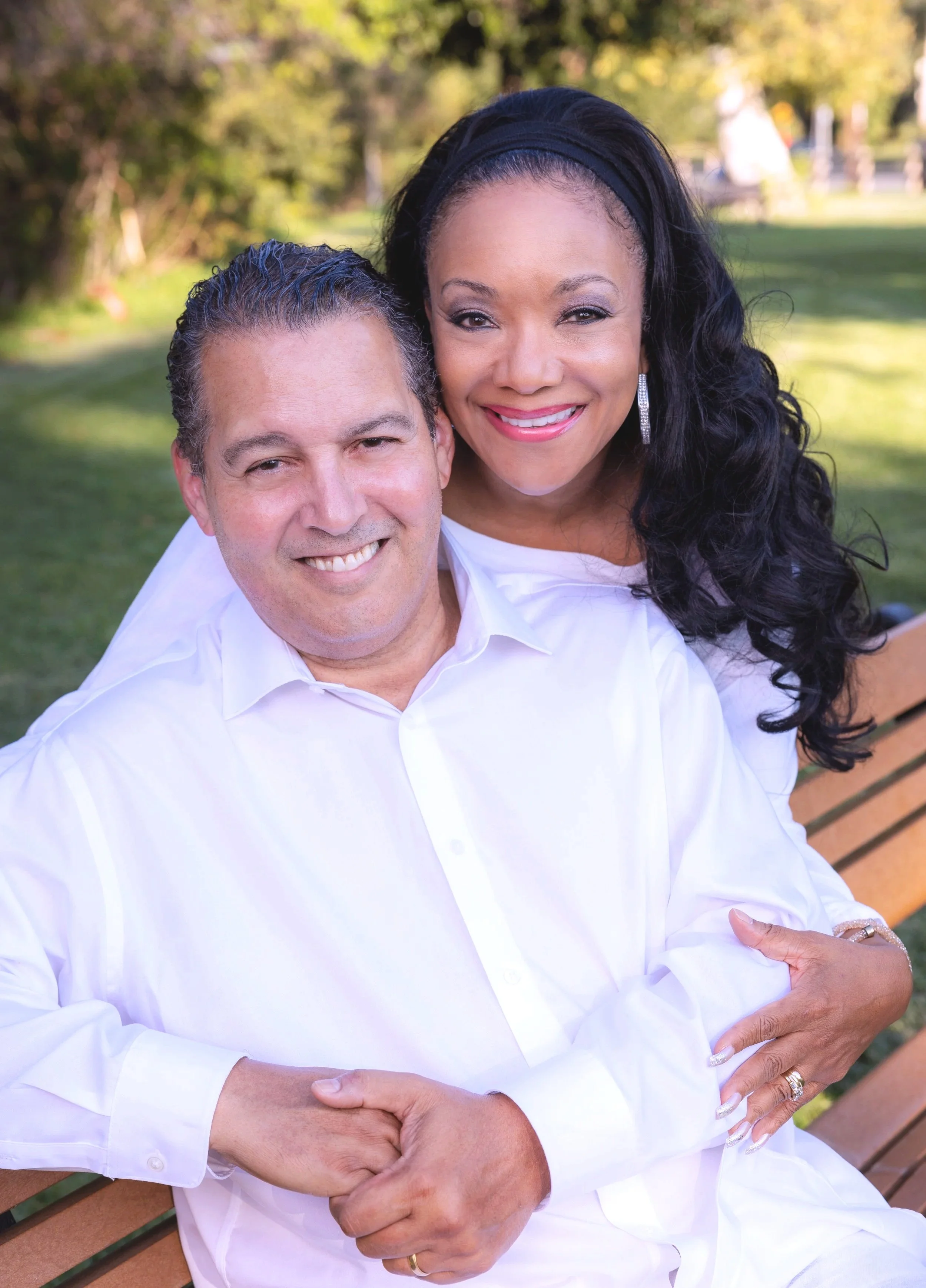
Effective Communication

Communication Isn’t Automatic—It’s Intentional

Although we’ve been speaking all of our lives, effective communication in marriage is not instinctive—it is cultivated. It is an art that must be learned, refined, and practiced with intention.

Many couples assume that because they are talking, they are communicating. But in reality, breakdowns happen every day. What is spoken is not always what is understood. What is heard is not always what was intended. And what was meant to bring clarity often creates confusion.

Why? Because communication is more than words.

A message can be shaped—or distorted—by tone, facial expressions, body language, eye contact, timing, emotional state, and even silence. A simple sentence spoken in frustration can land very differently than the same sentence spoken in love.

And before you know it, what started as a small misunderstanding turns into what we like to call an “intense fellowship.”

But here’s the good news: most communication breakdowns are not rooted in malice—they are rooted in misalignment. And with the right tools, couples can resolve conflict, repair quickly, and grow stronger instead of drifting apart.

A Practical Framework for Resolving Conflict

When tension rises, most couples react instead of responding. What’s needed is a process—something steady you can return to when emotions are high.

Here’s a simple, effective approach we teach couples:

1. Identify the real problem
Go beyond surface frustration. Ask: What is actually bothering me? What am I feeling underneath this moment?

2. Determine the urgency
Not every issue requires immediate resolution. Some conversations need space, not speed. Wisdom is knowing the difference.

3. Explore possible solutions together
Shift from “me vs. you” to “us vs. the problem.” Invite collaboration instead of control.

4. Apply what works best
Choose a solution that reflects mutual respect—not just personal preference.

5. Commit to growth, not repetition
The goal is not just to fix the moment, but to prevent the pattern. Learn from it so you don’t keep revisiting the same issue.

5 Principles That Strengthen Communication in Marriage

Over the years, we’ve found that couples who communicate well are not perfect—they are intentional. They practice these principles consistently:

1. Create a safe emotional environment
Healthy communication thrives where there is love, respect, gratitude, and appreciation. Be generous with encouragement. Speak life into one another regularly.

2. Listen to understand, not to respond
Most people listen while preparing their next sentence. Effective communication requires presence. Slow down and truly hear your spouse.

3. Clarify before reacting
Don’t assume—confirm. Restate what you heard: “What I’m hearing is…” This simple habit prevents unnecessary conflict.

4. Take ownership quickly
If you miss the mark, acknowledge it. A sincere apology builds trust. Defensiveness tears it down. Speak from your feelings instead of attacking your spouse’s character.

5. Pause when emotions escalate
Not every conversation should be finished in the heat of the moment. Take a 30-minute reset if needed—walk, breathe, regroup. Then come back with a clearer mindset and a softer tone.

Final Thoughts

Marriage is not a competition—it is a partnership. You are not opponents trying to win an argument; you are teammates working toward understanding.

Effective communication is less about saying the perfect words and more about creating the right environment where honesty can exist without fear.

And remember this:

The only approach guaranteed to fail is the one you refuse to apply.

If you are willing to slow down, stay open, and practice these principles, even your most difficult conversations can become opportunities for deeper connection.